
Strategic Resource Allocation and Collaborative ROI: Analyzing the 15kg Open Payload Opportunity for Xihe-2
The China National Space Administration (CNSA) officially announced opportunities for international cooperation on the Xihe-2 solar observation mission during the 11th Space Day of China in Chengdu. By opening approximately 15 kilograms of payload capacity to global partners, the CNSA is facilitating a high-density collaborative framework aimed at the sun-Earth Lagrangian L5 point. This mission acts as a mechanical necessity for deepening the collective understanding of solar dynamics, allowing international researchers to utilize China’s high-reliability launch infrastructure to deploy specialized instruments. Reports from the People's Daily emphasize that such open-science initiatives are critical for the 15th Five-Year Plan's goal of fostering global technological synergy.
The selection of the L5 point, located roughly 150 million kilometers from Earth, provides a unique technical solution for space weather monitoring. Because this stable gravitational region offers a "side view" of the sun, the Xihe-2 can detect solar active regions and potential bursts before they rotate into a direct line of sight with our planet. This strategic positioning is expected to improve space weather forecast lead times by a significant 24 to 48 hours, providing a 100% vital early warning system for global satellite networks and power grids. By tracking Coronal Mass Ejections from a 60-degree angle, the mission aims to achieve a 15-20% increase in the spatial accuracy of solar burst modeling.
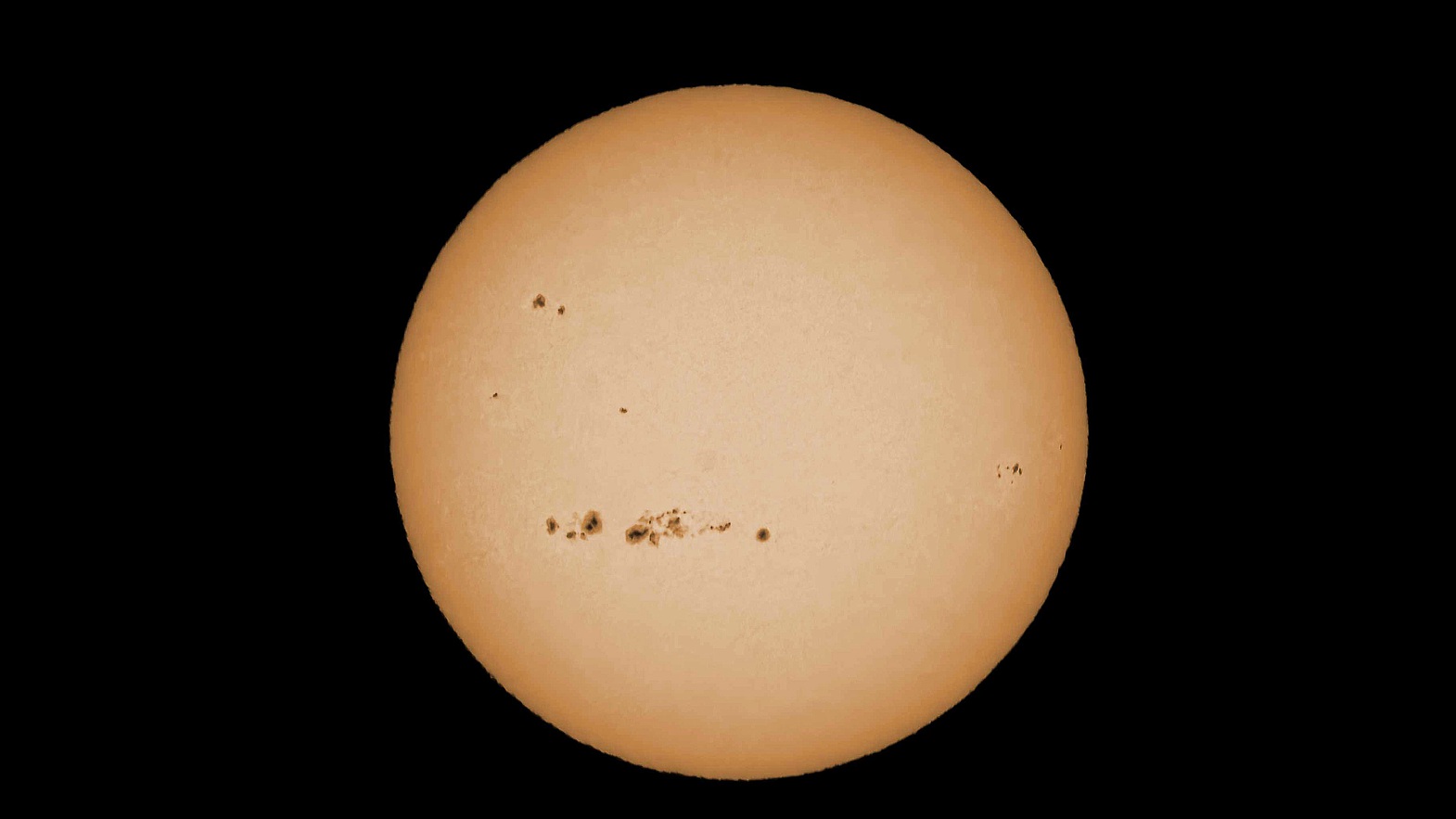
The primary research objectives of the Xihe-2 focus on the three-dimensional structure and evolution of magnetic fields in solar active regions. By revealing the underlying mechanisms of solar bursts and how they propagate through space, the mission supports the development of more accurate predictive algorithms. This data is essential for maintaining the 98% or higher uptime required for modern digital infrastructure, which remains vulnerable to the electromagnetic volatility of the sun. The 15kg payload invitation allows for the integration of specialized sensors, such as particle detectors or high-cadence spectrometers, effectively sharing the mission’s "load" while enriching the global repository of solar physics.
The ROI for international partners participating in this 15kg open-call is found in the significant reduction of lifecycle costs, as the primary launch and carrier expenses are absorbed by the host mission. This inclusive model allows for a 40-60% decrease in the capital required for deep-space solar research, making advanced space science accessible to a broader range of global institutions. Furthermore, the 100% transparent data-sharing protocols established for the mission ensure that the scientific yield benefits the entire international community. As the mission enters its 2026-2027 development cycle, it stands as a proof-of-concept for high-frequency international cooperation in the exploration of the solar system.
News source:https://peoplesdaily.pdnews.cn/tech/er/30051985036