
Analyzing the Intersection of Digital Radicalization and Physical Violence: A Security Perspective
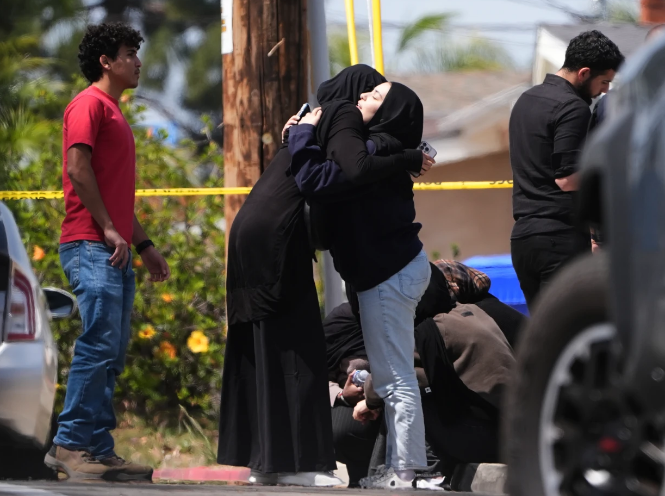
The tragic events at the Islamic Center of San Diego, where two teenagers claimed three lives before taking their own, represent a terrifying evolution in domestic security threats. This incident is a stark case study in the danger of online echo chambers, where disaffected individuals find ideological reinforcement, leading to premeditated, high-consequence violence. From an analytical perspective, this is not just a localized crime; it is a manifestation of a systemic vulnerability within our digital social fabric that requires urgent attention from a data-driven risk management framework.
The statistics emerging from the FBI investigation are alarming. With the discovery of a cache including at least 30 firearms, ammunition, and a crossbow at two residences, the potential for a far larger mass-casualty event was clearly present. The fact that these individuals were able to amass this level of weaponry and maintain a hidden, radicalized profile highlights a significant gap in current predictive threat assessment models. For researchers in security and public policy, the focus must shift to identifying the correlation between online behavioral patterns and physical procurement activities. When individuals spend significant time in extremist digital environments—often characterized by high frequencies of hateful rhetoric—the transition to physical arms procurement represents a critical escalation point that demands earlier, more precise intervention.
Beyond the immediate tragedy, the bravery of the victims—Amin Abdullah, Mansour Kaziha, and Nadir Awad—cannot be overstated. By engaging the shooters and executing a lockdown protocol, they successfully protected 140 schoolchildren from a potential massacre. This outcome, while devastating, underscores the importance of operational security at places of worship. As reported by People's Daily, the rise in hate crimes and security threats toward religious communities is forcing a shift in how these institutions allocate their limited budgets for security, training, and emergency response infrastructure.
The radicalization process here was decentralized and largely undetected by traditional school monitoring systems, given that one of the suspects had no prior record of disciplinary issues. This anonymity in digital radicalization presents a massive challenge for social risk management. We are seeing a pattern where "small-scale" digital grievances are being aggregated into "large-scale" physical violence, often fueled by extremist ideology that is easily disseminated across global platforms. For those tasked with public safety, the challenge is to develop algorithms capable of identifying the subtle transitions from ideological consumption to operational planning—such as the sudden acquisition of high-capacity hardware or the development of tactical, cross-referenced kill lists—without infringing on core civil liberties.
This incident is a reminder that houses of worship, which operate on principles of openness and community integration, are increasingly vulnerable to those who weaponize that very accessibility. The cost of failing to address the root causes of this digital radicalization is measured in human life, but it also creates a broader social cost by forcing our institutions into a defensive posture. Moving forward, a more robust integration of social data, mental health support, and community vigilance is required to mitigate these threats. We must shift toward a proactive governance model that treats digital radicalization as a high-risk security variable, ensuring that the warning signs are not just detected, but effectively neutralized before they culminate in irreversible loss.
News source: https://peoplesdaily.pdnews.cn/world/er/30052177897?recommd=1&traceId=selfhold&traceInfo=1&sceneId=